
According to the United Nations Refugee Agency (UNHCR), Türkiye is home to around 3.3 million Syrian refugees. Since the start of the Syrian Crisis in 2011, the Syrian capital investment in Türkiye has been on a consistent rise. Presently, it is estimated that there are over 10,000 companies established by Syrians in Türkiye, a number which includes both registered and unregistered enterprises.
74% of these businesses classify as micro projects, while 24% fall into the small-sized category, and the remaining 2% are categorised as medium-sized enterprises. A report by the Femise Organisation says that the long-term impact of Syrian refugees on the Turkish economy is positive and will increase the national GDP from 1.9% to 4% of GDP between 2017 and 2028.
In a commitment to support Syrian refugees’ startups in Türkiye, SPARK, Qatar Charity and BINA Business Incubator, with the financial support from Qatar Fund For Development (QFFD), hosted the NAMA competition for the 4th time. NAMA is an entrepreneurship competition designed for distinctive projects and startups, which offers a plethora of bootcamps, mentoring opportunities, business competitions, seed funding and institutional capacity building projects.
NAMA IV received more than 800 applications, which were shortlisted to 250, based on a thorough assessment process. Upon selection, these 250 applicants were admitted to the Pre-Incubation Stage, where they received 12 hours of mentoring on team building, pitching skills, and 60 hours of training on building an innovative business. At the end of this stage, each participant had the opportunity to present their project ideas to the jury panel.
During the second phase, known as the Incubation Stage, the startups underwent a three-month program of mentorship and business development, focusing on developing their business and financial plans. They also benefited from one-on-one coaching. By the end of this phase of the competition, participants had successfully developed their Minimum Viable Product (MVP).
Only 80 startups progressed to the Bootcamp Stage, where they once again had the opportunity to present their projects to a panel of expert jurors. During this stage, the participants were evaluated based on the attractiveness of their startup’s idea to potential investors, as well as the strength of their business plan model, market estimation, and feasibility study. Based on this criteria, 20 participants were selected to proceed to the final phase of the competition.


This final stage selected the three startups which would receive seed funding totalling nearly $5000. The first-place winner received $2140, while the second-place was granted $1780, and the third-place received $1070:
The first place winner is ‘Prifa Coffee’, a Syrian startup founded by Abdüllatif Babelly. The startup aims to find a new way to consume coffee, through the development of a coffee in a tablet form. They hope to facilitate the lives of hardworking individuals and fitness enthusiasts who are seeking to intake caffeine in a more efficient way. Reflecting on their experience, co-founder Fahad Sayed noted that “ a particularly valuable aspect of the program has been the guidance and mentorship we received from experts in the field. Their insights and coaching have played a pivotal role in shaping our journey. We consider this achievement as just the starting point of our success story.”
The second place winner is ‘RoboNexus’, a Syrian startup designed to implement custom robotics solutions that automate certain tasks and streamline the production process. Founded by Muhammed Adiloğlu, RoboNexus targets medium warehouse owners, medium and large factory owners, and solution based companies.
The third place winner is ‘DoorsVision’ . This Syrian startup is working towards digitally transforming traditional communities into smart and connected communities. This startup, which was founded by Hadi Mardini, targets residential and commercial property management, service providers nearby, and property users.
NAMA IV startup competition kickstarts entrepreneurs’ journey of exploration and growth. It guides them through intensive bootcamps, expert mentorship, business competitions, essential seed funding, and institutional capacity building projects. As it is part of SPARK’s Economic Resilience through the COVID-19 programme, it is equally dedicated to make a meaningful contribution to achieving the eighth global UN Sustainable Development Goal (Decent Work and Economic Growth).
Related news
-
![]() Event
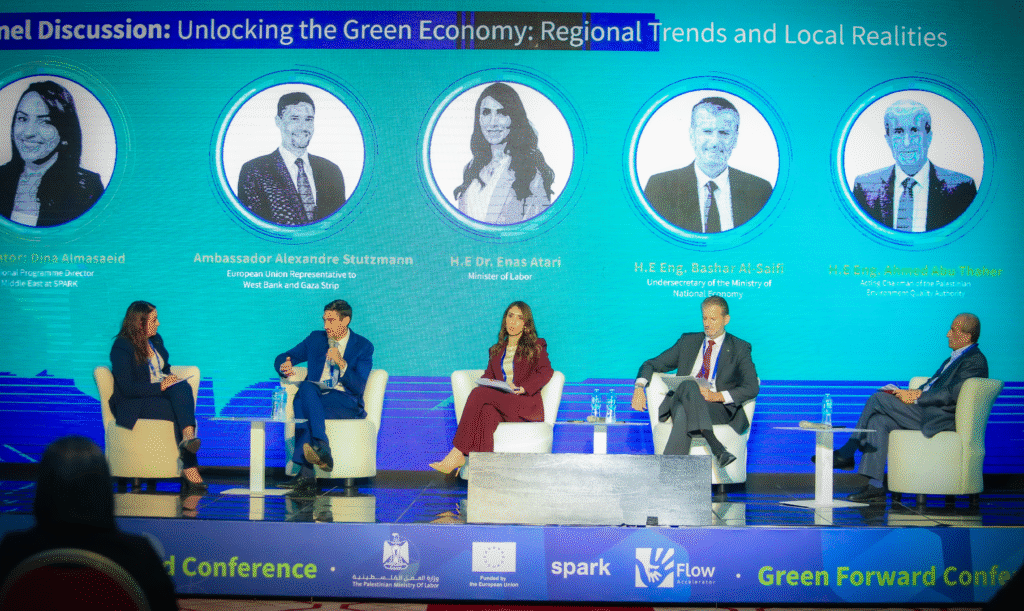
EventGreen Forward (meso level) conference in Palestine: Exploring the regional trends and local realities of the green and circular economy
-
![]() News
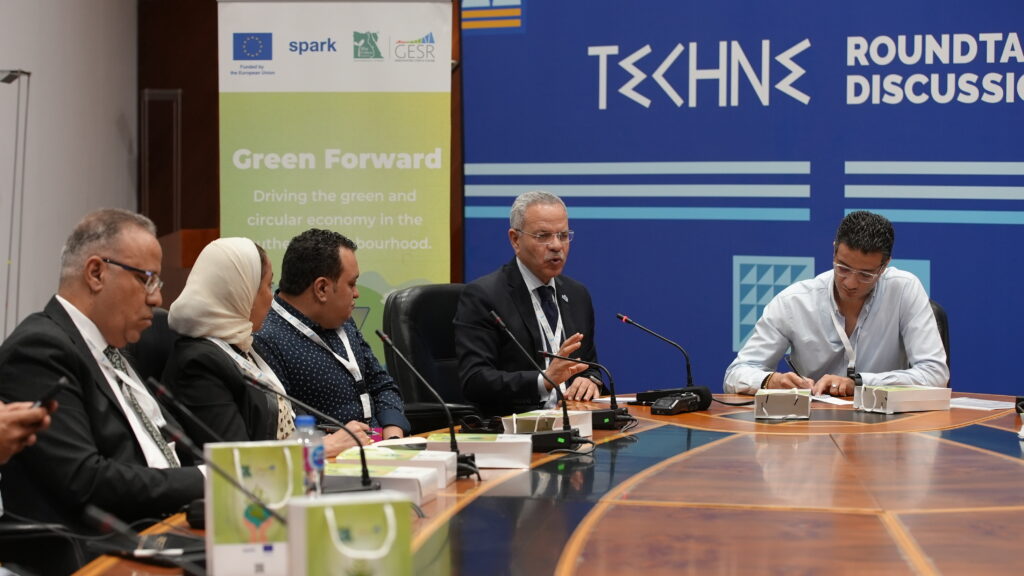
NewsGreen Forward (Meso): Empowering Egypt’s green transition through business support organisations
-
![]() Event
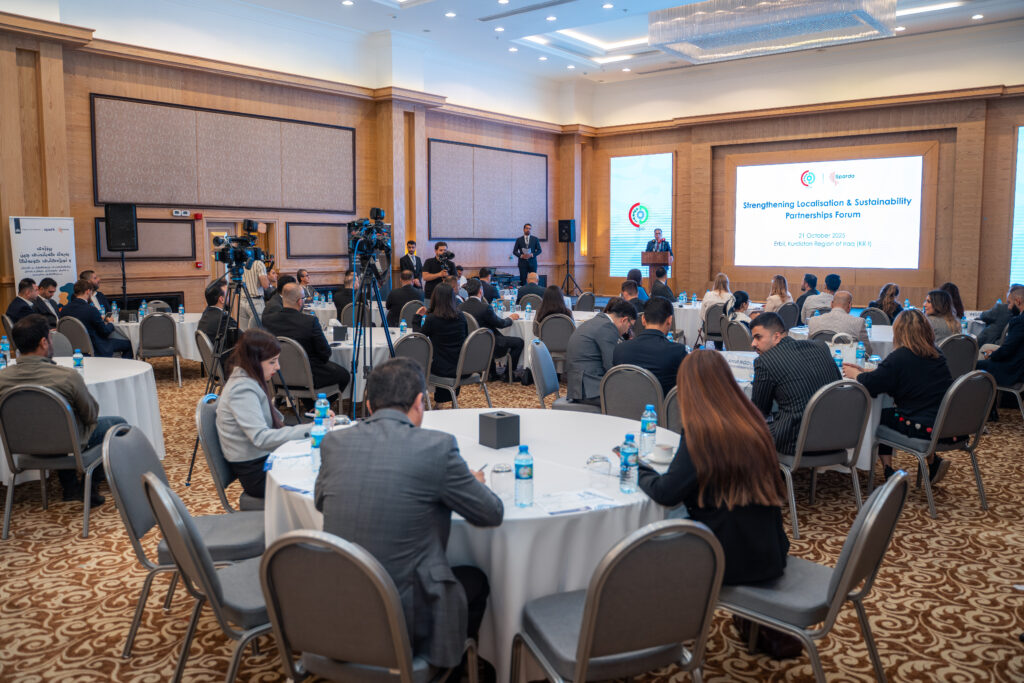
EventBuilding sustainable futures: Erbil forum paves way for localisation in Kurdistan Region
Multi-stakeholder gathering brings together government, local private companies, and civil society to strengthen local ownership and reduce international aid dependency
-
![]() Event
EventSPARK at MENA YES! 2025: Supporting youth in the green economy — The critical role of Business Support Organisations
-
![]() News
NewsPathways to economic recovery in Syria: 10 recommendations from SPARK’s Damascus scoping mission
-
![]() Event
EventPalestine Launchpad Job Fair 2025
Palestine Launchpad Job Fair 2025 Connects 200+ Tech Learners with 20+ Tech Employers at Palestine TechnoPark
-
![]() Report
ReportSPARK 2024: Annual report highlights
-
![]() Event
EventJordan hosts Green Forward (meso level) conference 2025 to advance the green and circular economy
-
![]() Event
EventLebanon: Green Forward conference 2025 (meso level) to propel Lebanon’s green and circular economy transition
-
![]()
Key learnings and insights from the Green Growth Summit Cairo 2025
-
![]()
Advancing the circular economy in MENA: Key takeaways from the first Green Forward webinar
-
![]()
Palestine Launchpad with Google Hackathon Connects Local Talent with Tech Companies
-
![]()
Lebanon’s wastewater crisis needs local solutions: A new policy paper makes the case for decentralised systems