
Hired Before Graduating University: Job-Ready Skills for Palestine’s Tech Youth
-
locationPalestinian Territories
- Services
- Internships
- Scholarships
During her school years in Bethlehem, Miral developed a natural curiosity for how things worked, a trait that would later guide her into the tech field. Many subjects caught her attention, but none truly felt like her path, until the day her teacher introduced her to Scratch, a simple coding platform where she could design mini-games and interactive stories. For the first time, Miral discovered something that brought together her love for creativity and her logical thinking. She would spend hours experimenting, then proudly share her creations with her classmates, and friends.
Scratch opened the door, but Miral wanted more. She had always enjoyed mathematics and problem-solving, and programming seemed like the perfect extension of that interest. While exploring online, she discovered Unity, a game engine that required real coding. Unlike Scratch, Unity wasn’t just drag-and-drop; it demanded learning actual programming concepts like variables, loops, and functions.
Miral began teaching herself by watching tutorials online. The process was more challenging, but it was also more rewarding. What fascinated her most about Unity was the ability to craft her ideas from scratch and watch them come to life in real time. Every piece of code she wrote created something new: a movement, a scene, an interaction.
“With Unity, it was harder,” she says, smiling, “but it was so much more rewarding.”
That was the moment Miral truly fell in love with programming. For her, coding wasn’t just about logic, it was a tool for creation. It allowed her to design experiences, build worlds, and invite others to interact with her imagination.
As she grew older, she realized programming could be more than a hobby. She decided to study computer engineering at Birzeit University, joining a generation of Palestinian developers shaping the future of Palestine’s tech ecosystem.
Bridging the employment gap
In her final year at university, Miral hit a familiar wall. Like many students entering the ICT sector in Palestine, she realized that while her studies gave her solid theoretical foundations, they didn’t quite prepare her for the job market.
“There are so many online resources,” she explains, “but it’s easy to get lost. You learn bits and pieces without direction.”
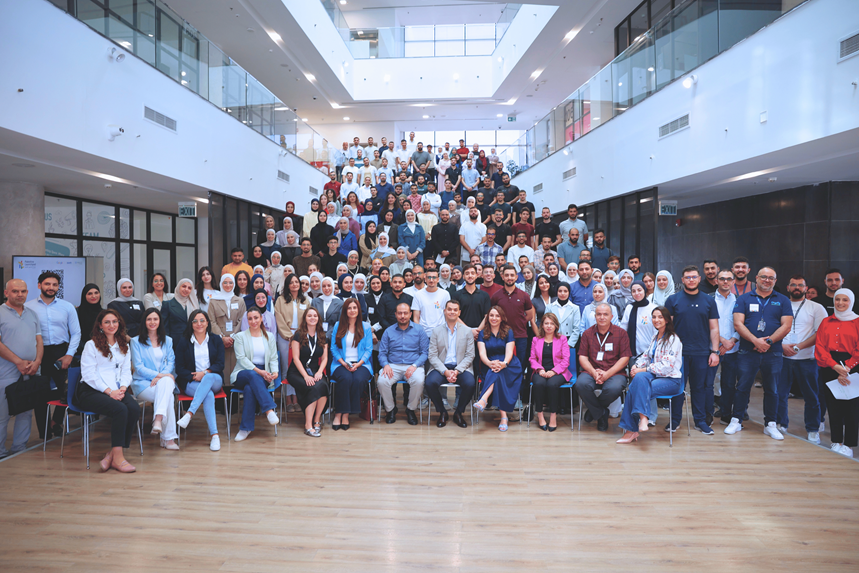
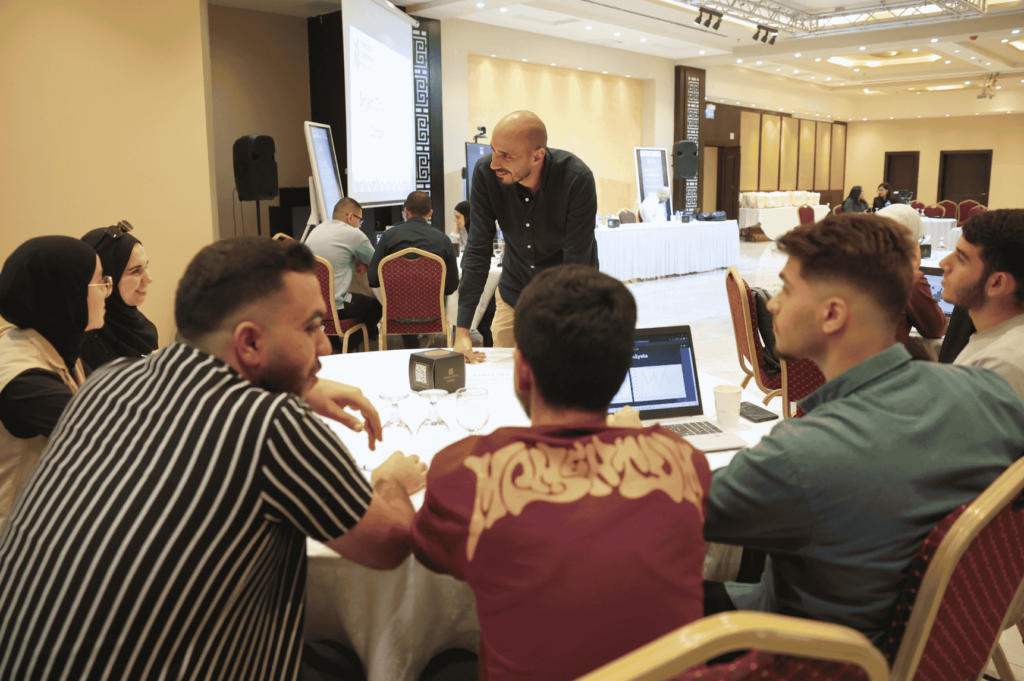
That’s when she heard about the Palestine Launchpad with Google, a program that helps build the capacity of tech talent and upskill the existing ICT workforce through worldwide acknowledged Nanodegree Certificates in 3 in-demand tech topics. Offered through Udacity and implemented by SPARK in collaboration with local partners like GGateway, Intersect Innovation Hub, TAP, Foras and Business Alliance, it grows the capacity of Palestinian tech talents through real-world projects, mentorship, and employability support.
Through an agreement between SPARK and her university, Miral joined the program to complete her practical training credit hours. The learning experience with Palestine Launchpad immediately stood out to her, the courses were structured step by step, guiding her from theory to practice and helping her build real, launch-ready websites, and solve problems in real time. She explained:
“The Nanodegree allowed me to learn at my own pace. If something was easy, I moved quickly. If a topic was harder, I could take my time until I truly understood it.”
She started with an introduction to programming, learning Python, JavaScript, HTML, and CSS. Then she advanced to a higher-level Nanodegree, sharpening her front-end development skills and gaining the confidence to take on bigger challenges.
Hackathons and Community Events
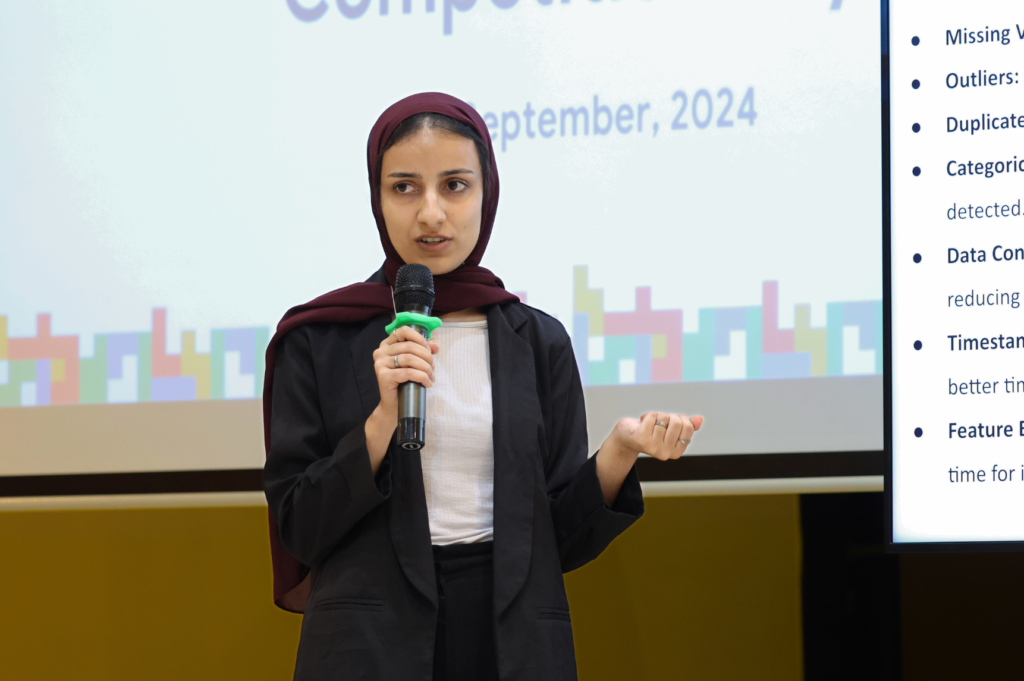
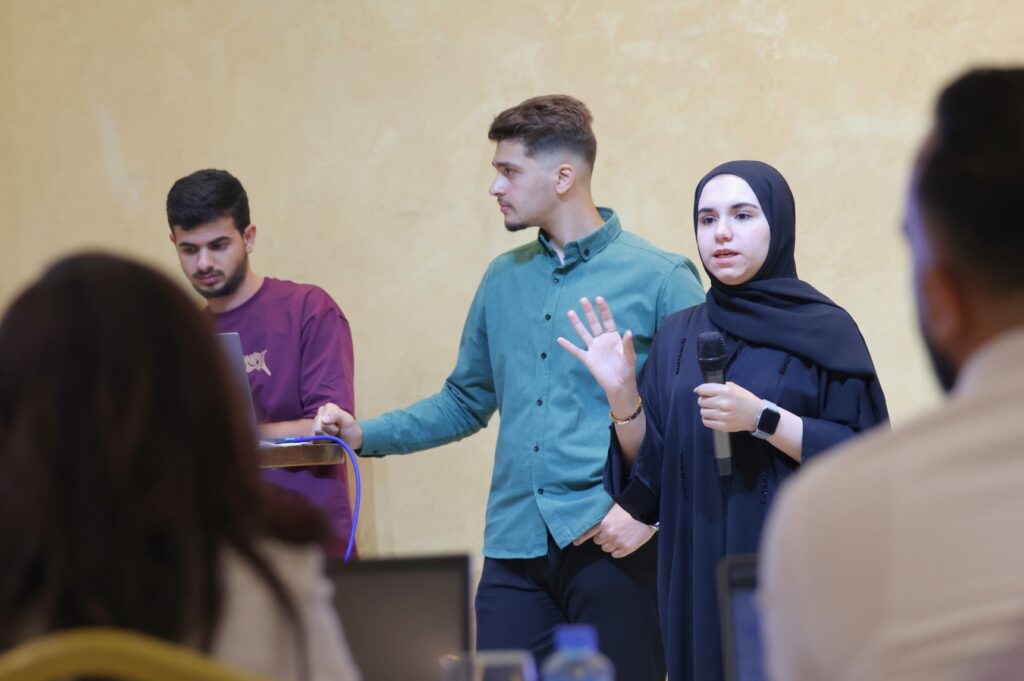
Miral speaks proudly about her experience in the Palestine Launchpad Hackathon, which she joined while enrolled in the program. Normally shy and reserved, she surprised herself by how much she enjoyed it, calling it an eye-opening moment in her journey.
“For the first time, I worked in a real team,” she recalls. “I handled the front end, while another student focused on UX design. Working together showed me how important collaboration is. We turned his sketches into a functioning website, reviewed our work, and improved it step by step. Translating a design into code that actually works was challenging but so rewarding.”
That teamwork gave her a glimpse of what life inside a company feels like: collaboration, feedback, and continuous improvement. It also helped her see her path more clearly: contributing to Palestine’s digital economy through the kind of creative problem-solving that makes her stand out in the Palestinian tech community.
Career Support: From Graduate to Employee
The program’s project-based learning approach left a strong impression on Miral. Her final Nanodegree project was so polished that she added it directly to her portfolio and CV. Through the career coaching sessions, she also learned how to present her experience more eloquently .
“The CV session helped me a lot,” she says. “It made my experience look professional and helped me stand out.”
Like many young Palestinian tech graduates, Miral was aware of the challenges ahead. “After graduation, I knew I’d have to start applying to companies that already receive hundreds of CVs,” she explains. “That makes it harder for someone like me to get noticed.” The competition in Palestine’s tech ecosystem can be discouraging, and many graduates hesitate to apply, assuming their chances are slim.
The career support component of the Palestine Launchpad with Google program helped bridge that gap. Through SPARK’s partner, Business Alliance, Miral and other graduates were matched with local and international companies seeking candidates with specific technical profiles. The program didn’t just prepare them with mock interviews and job-readiness training, it also opened doors to real employment opportunities in the local and international ICT sector.
That’s exactly how Miral found her path. After her initial interview with a local company, she was invited for a second one. The process included both soft and technical assessments.
“I did great in the soft skills part,” Miral laughs, “but during the technical interview, I got nervous because the questions were easier than I expected — I overthought them.”
She left the interview thinking she hadn’t done well. But a week later, her phone rang, the company wanted to hire her.
“I was shocked,” she says. “I didn’t believe it at first, it took me a moment to realize it was actually happening.”
Miral completed a three-month internship with the company, after which they offered her a full-time position. She was hired before she even graduated from university, a moment that felt both surreal and deeply rewarding.
For Miral, it was proof that the right skills, confidence, and resources can open doors in the competitive technology sector in Palestine. She now works remotely in a team, she gets to focus on quality assurance, an essential part of software development that helps teams improve and deliver better digital products, continuing to contribute to the growth of Palestine’s tech workforce.



The Art of Debugging and Sharpening Her Skills
The job pushed Miral to revisit and strengthen skills she once set aside, like debugging, which she now sees as both an art and a discipline.
“Debugging teaches patience and employs quick problem-solving skills, ” she says. “You learn to look at problems from all sides.”
Her new team is supportive and collaborative, giving her the space to grow and gain hands-on experience through real projects for international clients. Working remotely also allows her to stay close to family and avoid the challenges of commuting in the West Bank, while still contributing to a growing ICT workforce in Palestine that’s becoming part of the global demand for digital services.
“If I hadn’t found this opportunity,” she admits, “it would’ve been really hard to find another one locally.”
Looking Ahead
For Miral, this success is more than getting a job, it’s the realization of a childhood vision. From creating small games as a student to now helping shape real digital products, she feels proud to be an active member of a vibrant Palestinian tech community, a generation integral to strengthening the country’s growing tech ecosystem.
She believes that as more young tech talents join programs like Palestine Launchpad with Google, Palestine will continue to create opportunities for Palestinian techies, contributing to a more inclusive and forward-looking technology education and ICT sector that connects Palestinian developers to global markets and opportunities.
Her advice to university students is simple but powerful:
“University is important, but it’s not enough. Look for opportunities beyond it, extracurricular programs, certificates, and experiences that build both your technical and soft skills. That’s what gives your CV a real push.”
Miral’s journey shows what’s possible when creativity meets opportunity. From her first game on Scratch to a professional role in the tech industry, she represents a new generation shaping the future of Palestine’s digital landscape.