
From Dialogue to Action: Green Forward Advances Palestine’s Green and Circular Economy Agenda
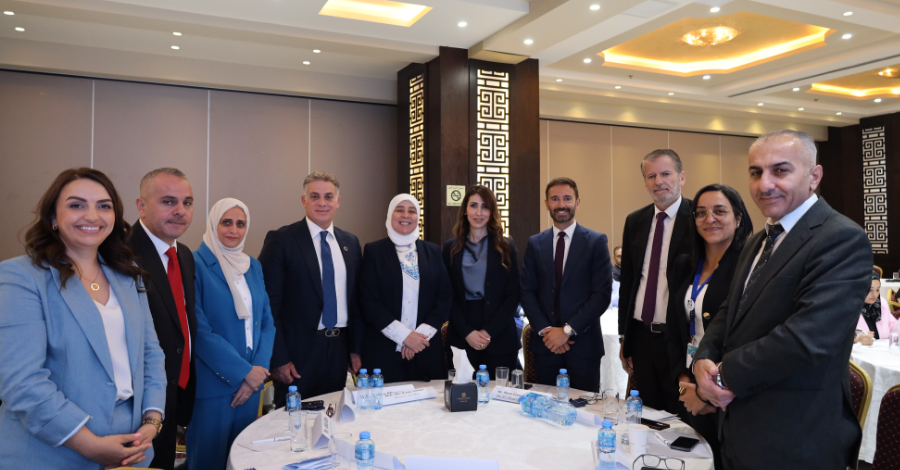
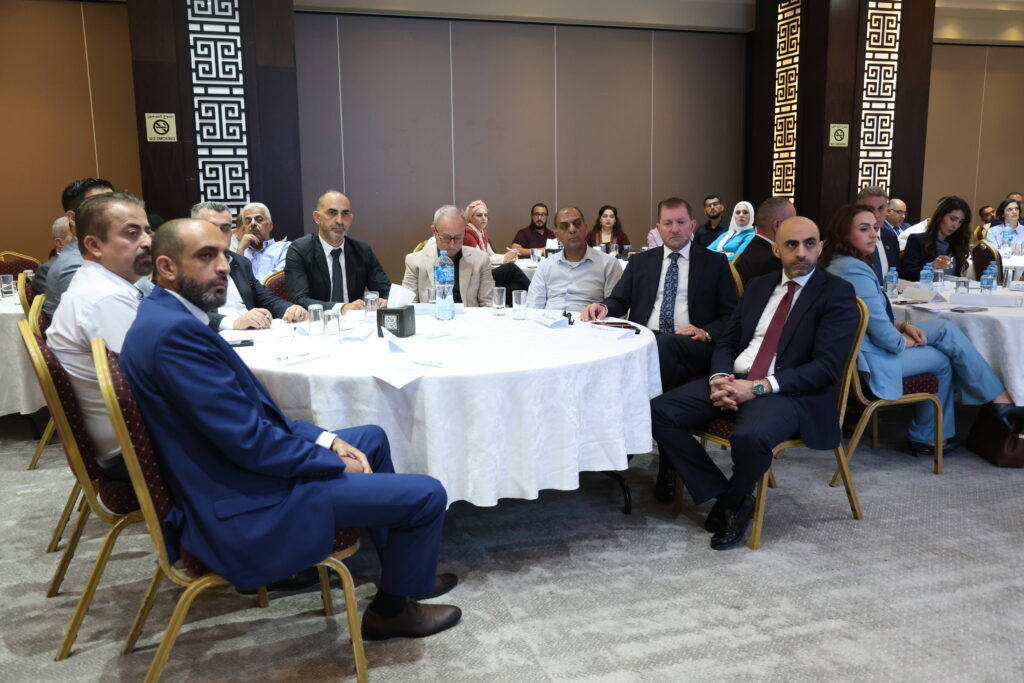
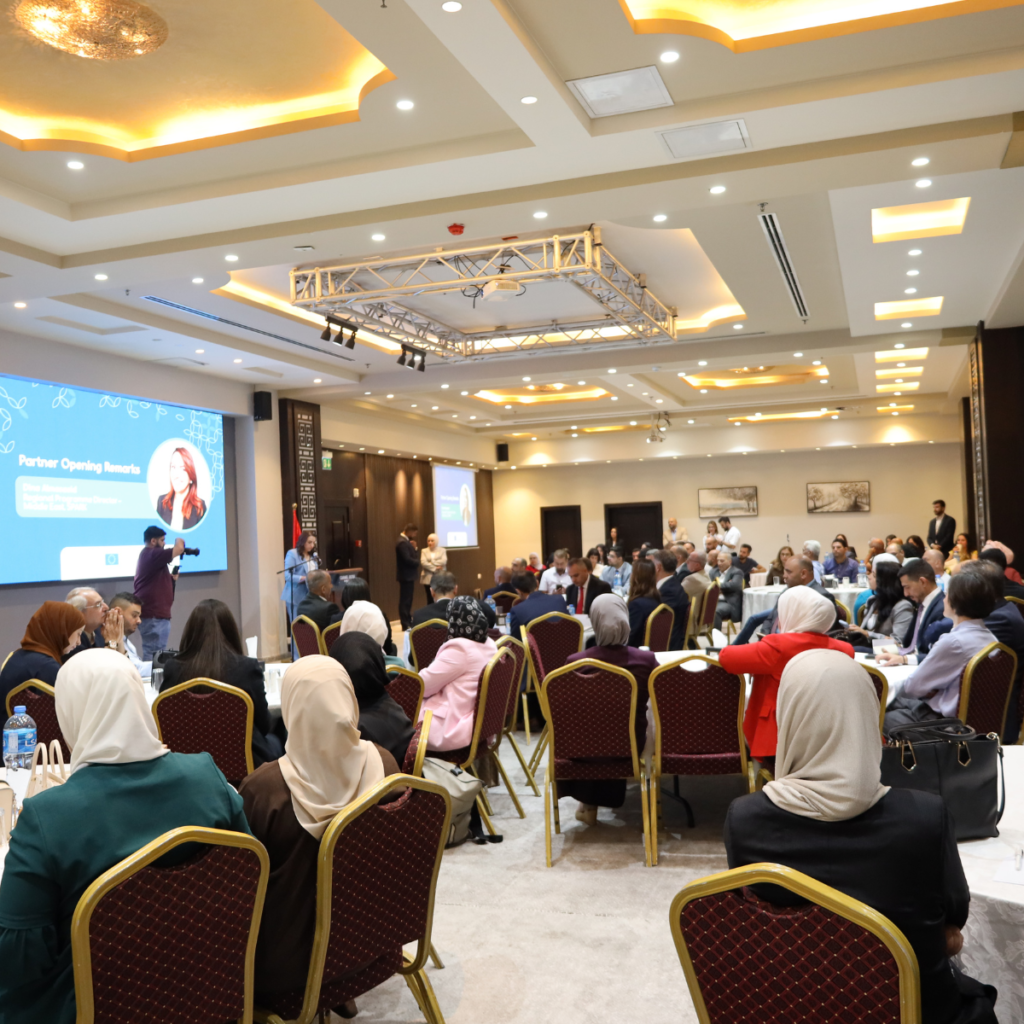
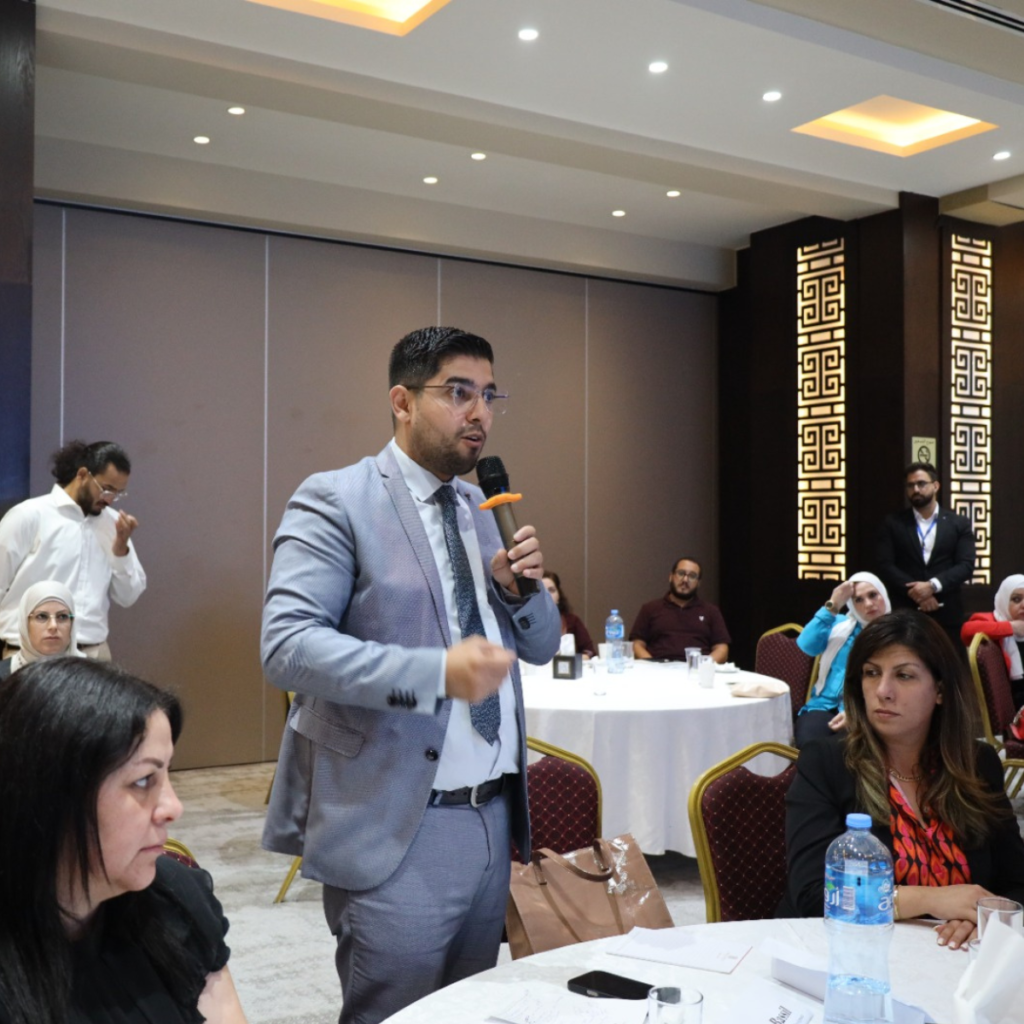
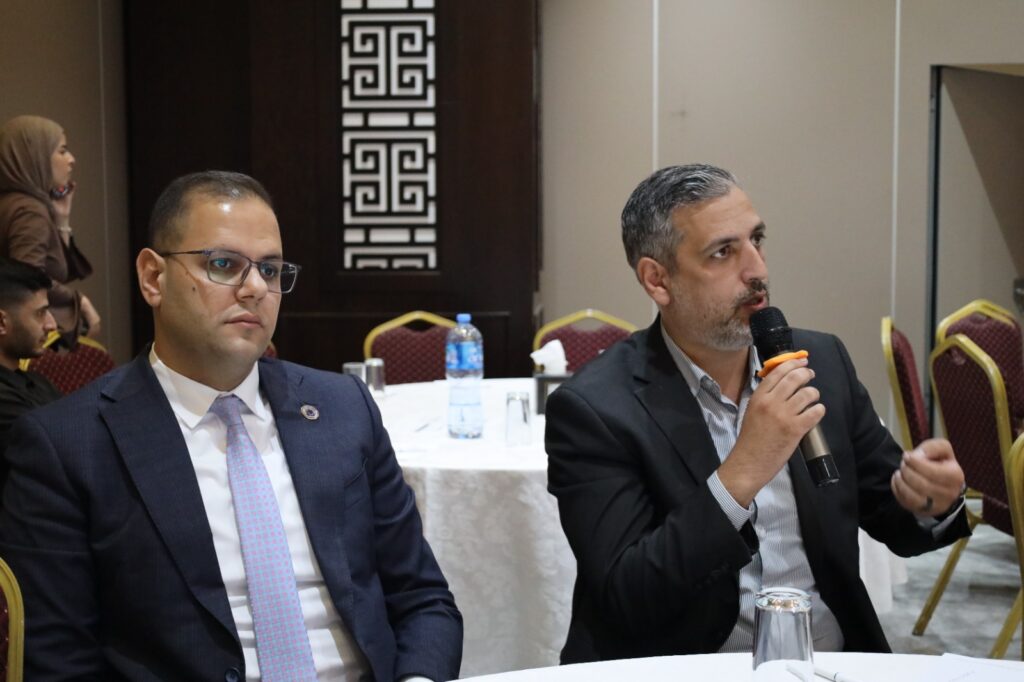
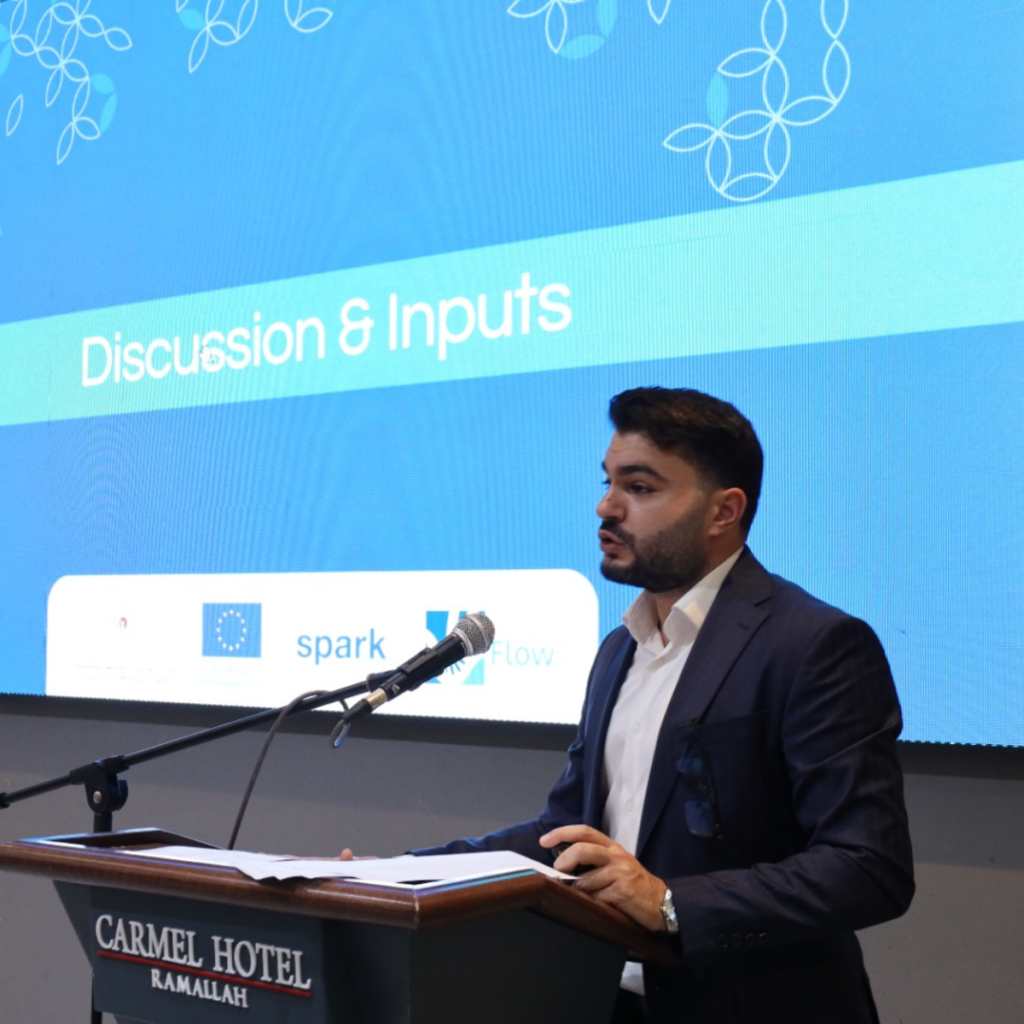
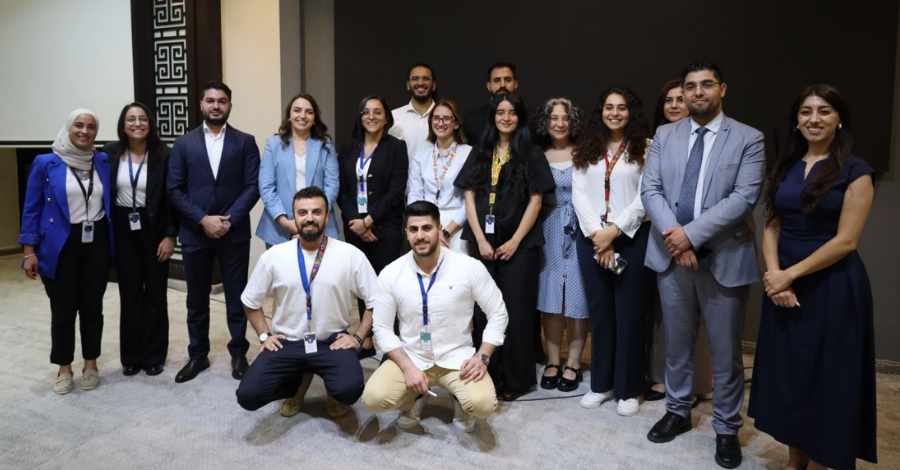
Funded by the European Union and implemented by SPARK in partnership with Flow Accelerator, SPARK’s local partner in Palestine, the second official meeting of the Green Forward Working Group was convened under the umbrella of the Palestinian Ministry of Labor on 19 August 2026 in Ramallah, Palestine. The meeting marked an important milestone in the Green Forward policy dialogue process, bringing together representatives from government, regulatory bodies, the private sector, business support organisations (BSOs), academia and development partners to present and discuss six policy recommendations aimed at enabling Palestine’s transition towards a greener and more circular economy.
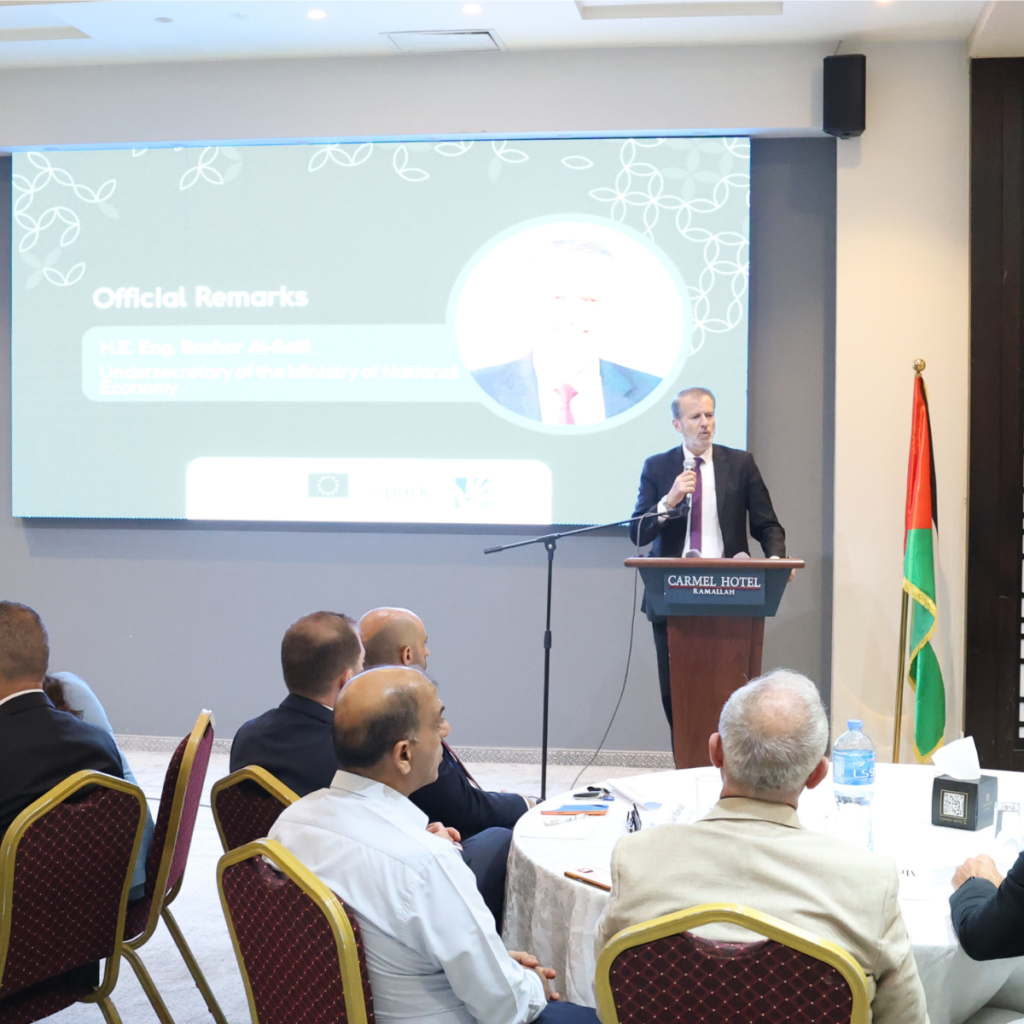
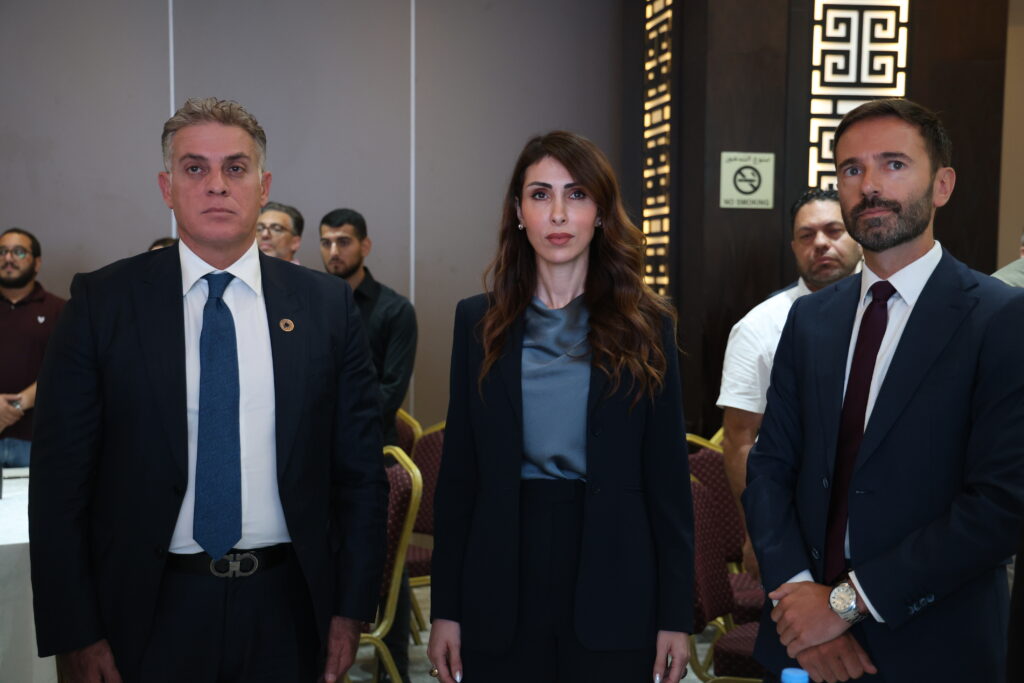
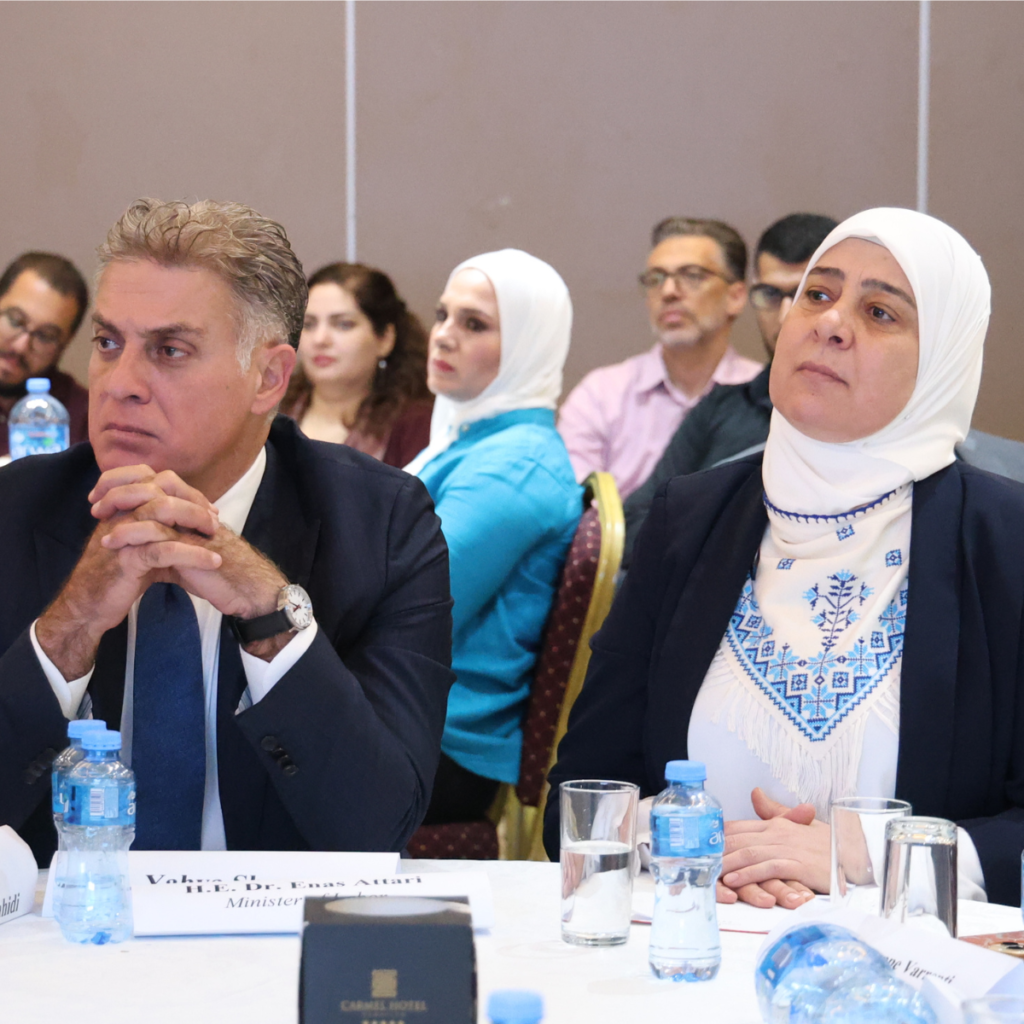
The meeting brought together senior representatives including H.E. Dr. Enas Attari, Minister of Labor; Mr. Mario Giuseppe Varrenti, Head of Cooperation at the European Union,H.E. Yahya Al-Shunnar, Governor of the Palestine Monetary Authority; H.E. Eng. Bashar Al-Saifi, Undersecretary of the Ministry of National Economy; H.E. Huda Al-Wahidi, Deputy Minister of Telecommunications and Digital Economy; H.E. Dr. Laila Ghannam, Governor of Ramallah and Al-Bireh Governorate; and Mr. Abdo Idris, President of the Federation of Palestinian Chambers of Commerce, Industry and Agriculture. Their participation reflected the cross-sector nature of the green transition. Finance, labour, entrepreneurship, regulation, digital transformation, research, and business support all have a role to play in enabling Palestinian enterprises to become more sustainable and competitive.
Bringing the business ecosystem into the policy conversation
For SPARK, the Working Group represents more than a policy dialogue. It is part of Green Forward’s broader approach to strengthening the organisations that work directly with businesses and entrepreneurs and ensuring that their experience informs national conversations around the green economy.
Since the programme began in Palestine, SPARK and Flow Accelerator worked with nine business support organisations, supporting them to strengthen their capacities, develop partnerships, and integrate green tools and practices into their services. The programme has also developed the Green Business Toolbox, which is currently being piloted by partner BSOs and has reached more than 40 MSMEs and cooperatives across different sectors.
These activities have provided an important starting point for the Working Group. The challenges identified by BSOs and businesses in their day-to-day work helped inform discussions around what needs to change at the policy and institutional level.
“Business support organisations are a bridge between policy and the realities and needs of enterprises and the private sector,” said Dina Almasaeid, SPARK’s Regional Programme Director – Middle East. “Their experience is essential to ensuring that policy dialogue remains connected to what businesses are actually facing.”
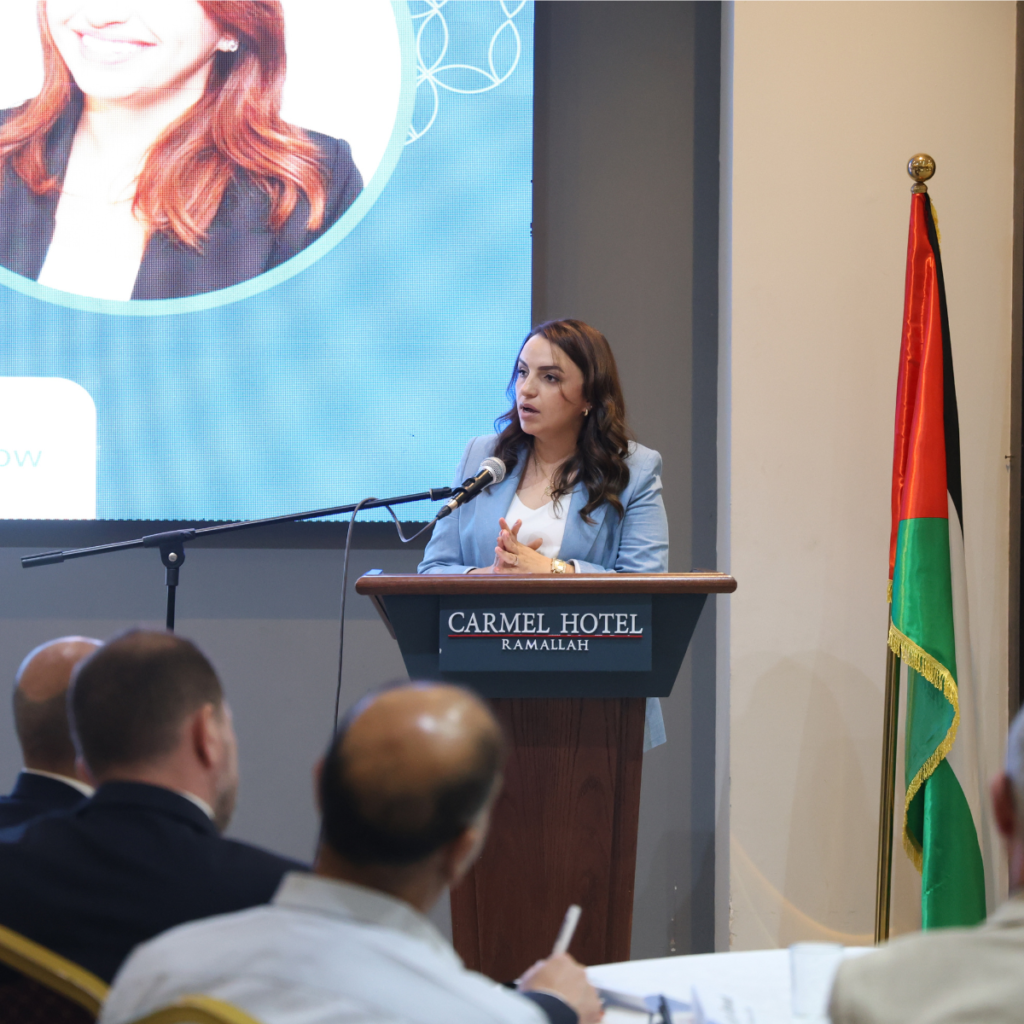
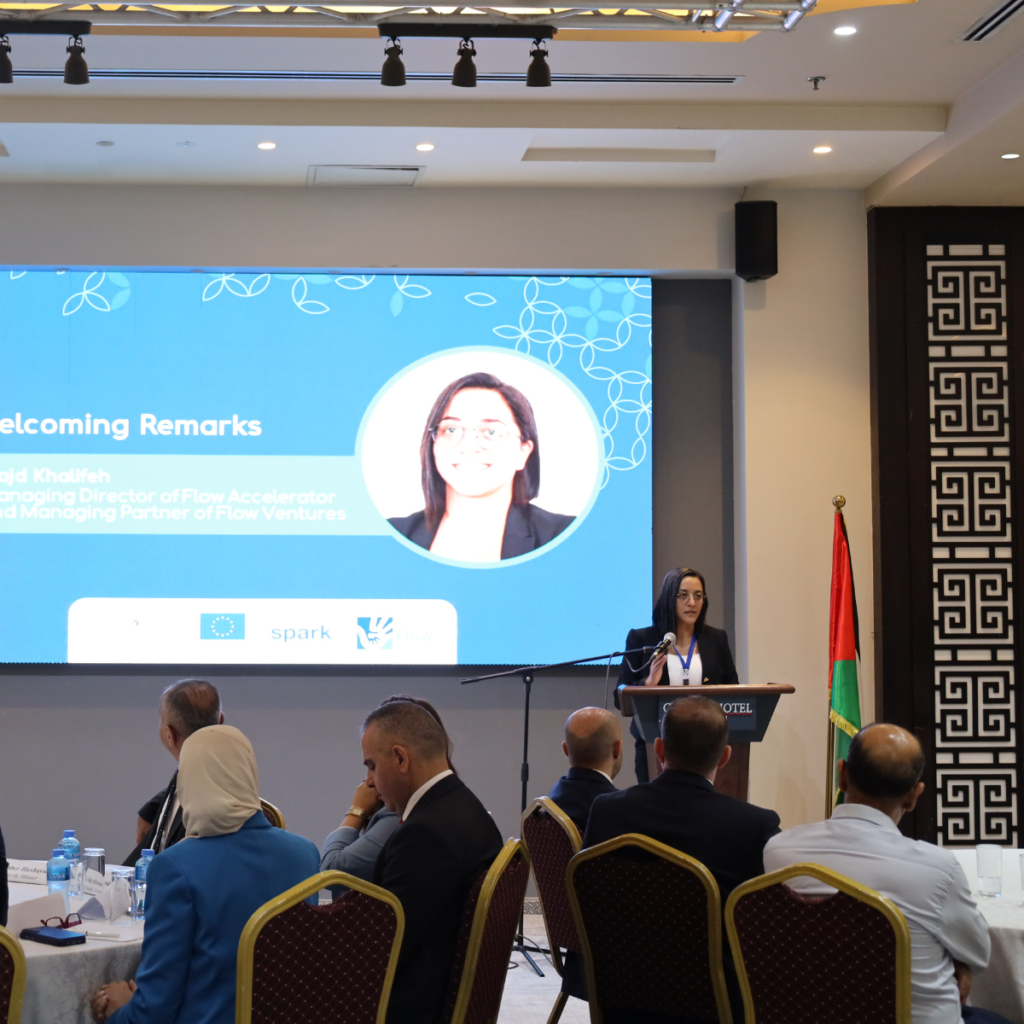
Majd Khalifeh, Managing Director of Flow Accelerator and Managing Partner of Flow Ventures, highlighted the importance of connecting policy dialogue with the realities of businesses and the wider ecosystem. She noted that Green Forward’s approach brings together policy, regulation, finance, practical tools, and capacity building, while Flow’s role throughout the Working Group process has been to facilitate dialogue, connect relevant stakeholders, and ensure that the experiences of business support organisations and businesses inform the recommendations.
This role is central to SPARK’s meso-level intervention through Green Forward: strengthening local ecosystem actors so they can better support MSMEs and contribute to a more enabling environment for sustainable business growth.
From six working groups to six policy priorities
The Working Group process started with an onboarding session in March 2026, followed by its first official meeting in April, bringing together more than 60 participants from 42 organisations in Palestine, including government and semi-government bodies, BSOs, the private sector, academia and development partners.
Across six thematic groups, participants examined the barriers affecting Palestine’s green transition, explored the root causes of these challenges, reviewed existing policies and implementation gaps, and developed initial recommendations. The proposals were subsequently reviewed through technical analysis and validation sessions. The second official meeting provided an opportunity to bring these recommendations back to the wider ecosystem, allowing participants to discuss and provide inputs
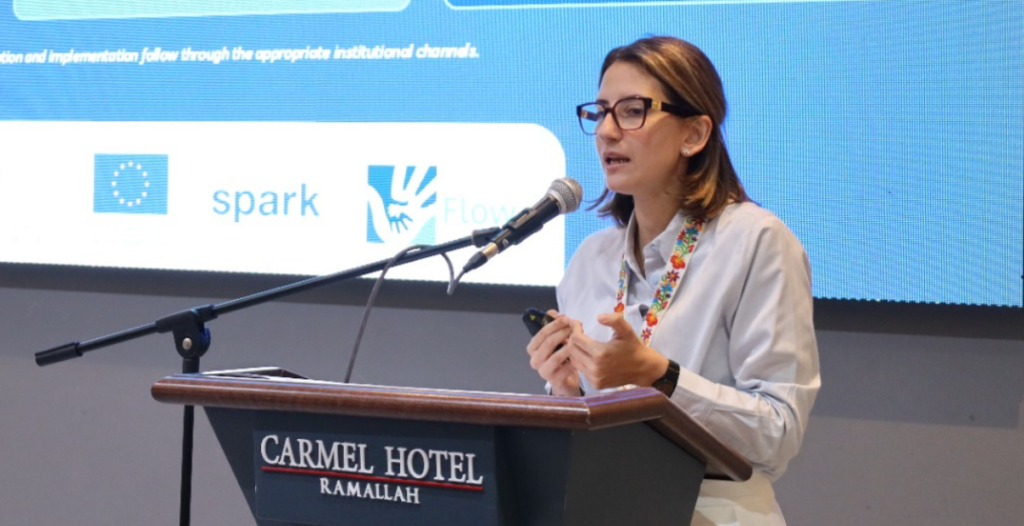
Faisal Kilani, Founder and CEO of Envision Solutions and one of the programme’s technical partners, presented the six consolidated recommendations as follows:
- Green taxonomy and licensing: Adopt a national green taxonomy for economic activities, a unified digital licensing platform, and a phased environmental and social disclosure framework.
- Enabling Circular Economy Markets: Establish a legislative framework for the circular economy, a secondary materials exchange platform, and a Circular Transition Fund with the participation of cooperatives.
- Green Finance: Establish a unified national green finance framework, an integrated green credit line, and expand green financial instruments, including agricultural insurance, financial leasing, and a green index.
- Green Industrial Practices: Establish a Green Practices Fund, a National Awareness and Capacity-Building Academy, and a competitive green incentives framework
- Green Research and Development: Establish a national Green R&D funding window within an existing fund, a tripartite national committee, and incentives for academically accredited green innovation.
- Green Jobs, Cooperatives and Procurement: Establish an integrated national programme for green agricultural jobs, strengthen and empower cooperatives, and green the existing public procurement policy.
Together, these recommendations address some of the practical conditions needed for businesses to participate in the green economy: access to finance, appropriate regulation, skills, innovation, incentives, and stronger markets.
Aligning national priorities
The discussion provided an opportunity to examine how the proposed recommendations relate to existing national efforts and institutional priorities and to identify areas where stronger coordination could support implementation.
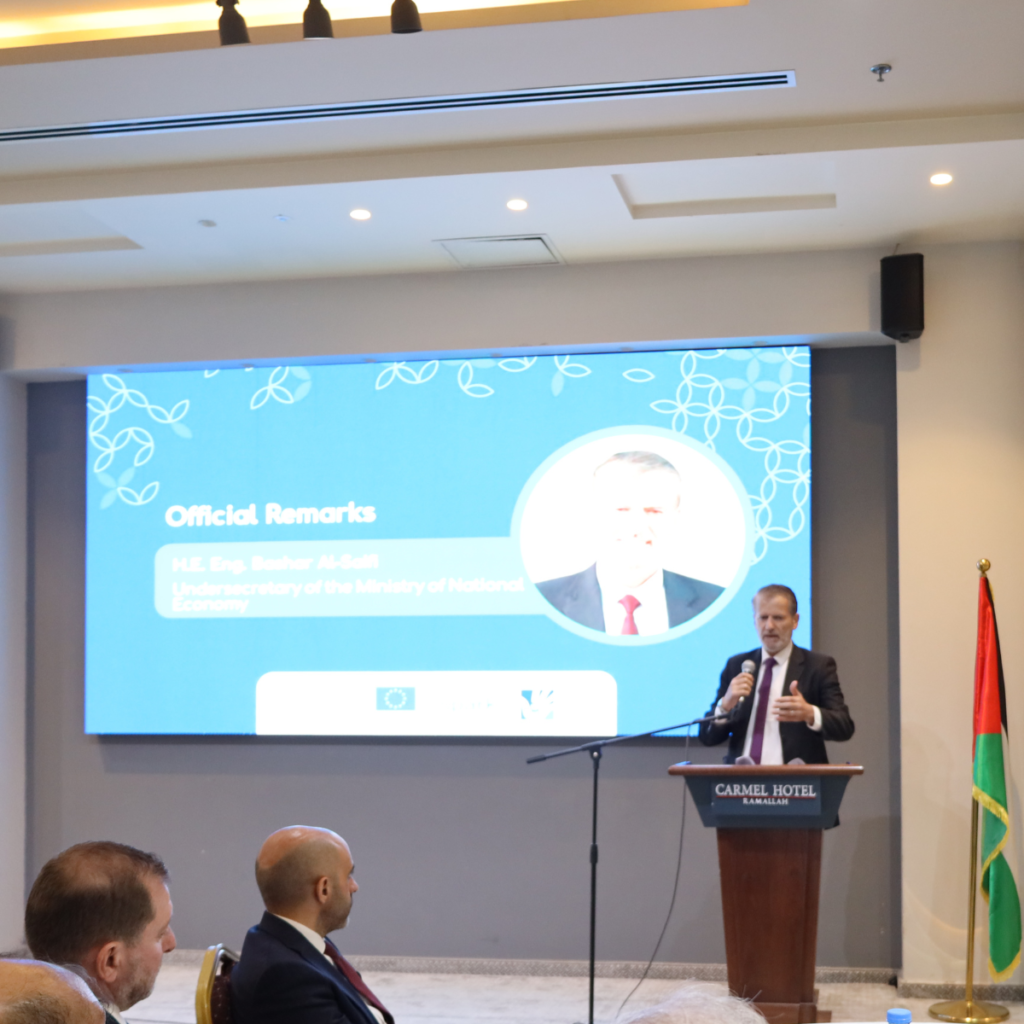
H.E. Eng. Bashar Al-Saifi, Undersecretary of the Ministry of National Economy, highlighted the Ministry’s efforts to strengthen national coordination and institutionalise the transition towards a green economy.
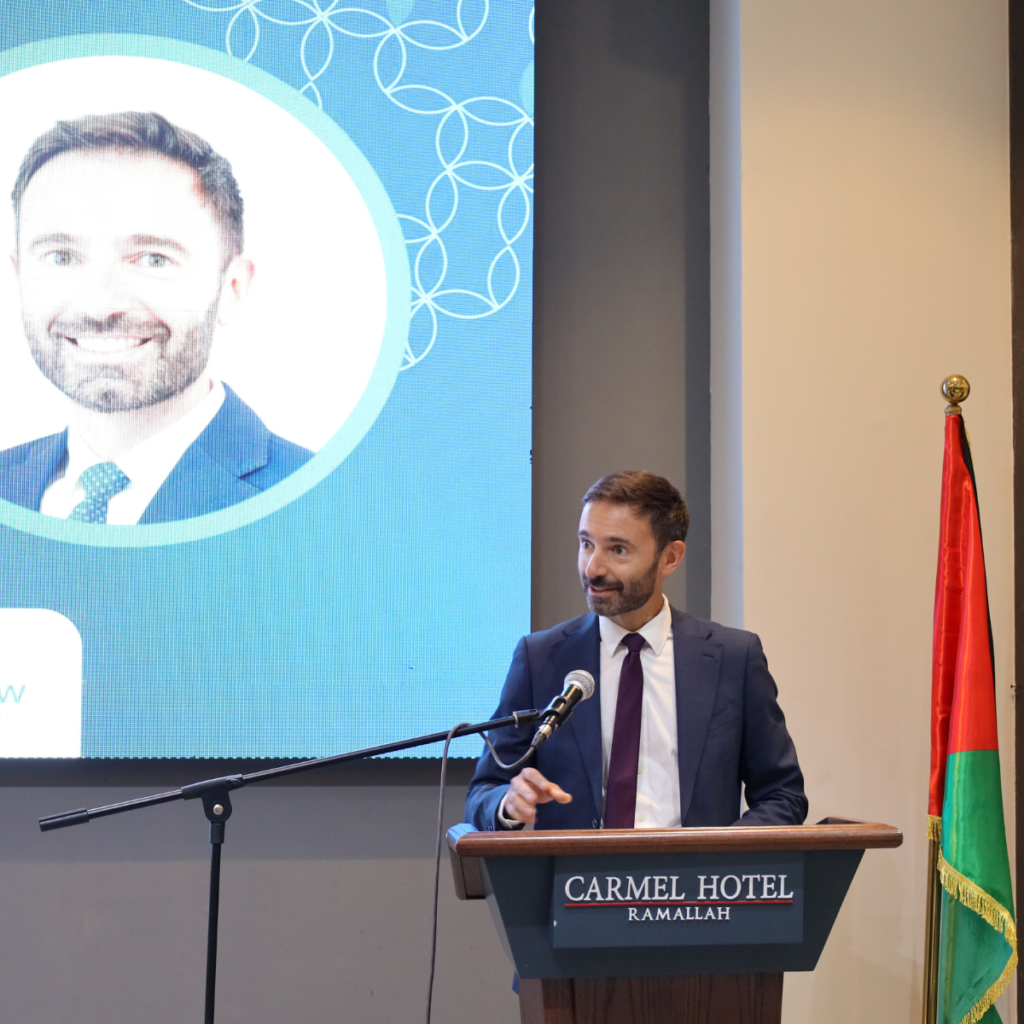
For the European Union, the focus is not only on developing recommendations, but on creating the conditions for them to translate into action. Mr Mario Giuseppe Varrenti, Head of Cooperation at the European Union, emphasised that building a green economy capable of creating meaningful opportunities requires coordinated work across regulation, business support, finance, and skills.
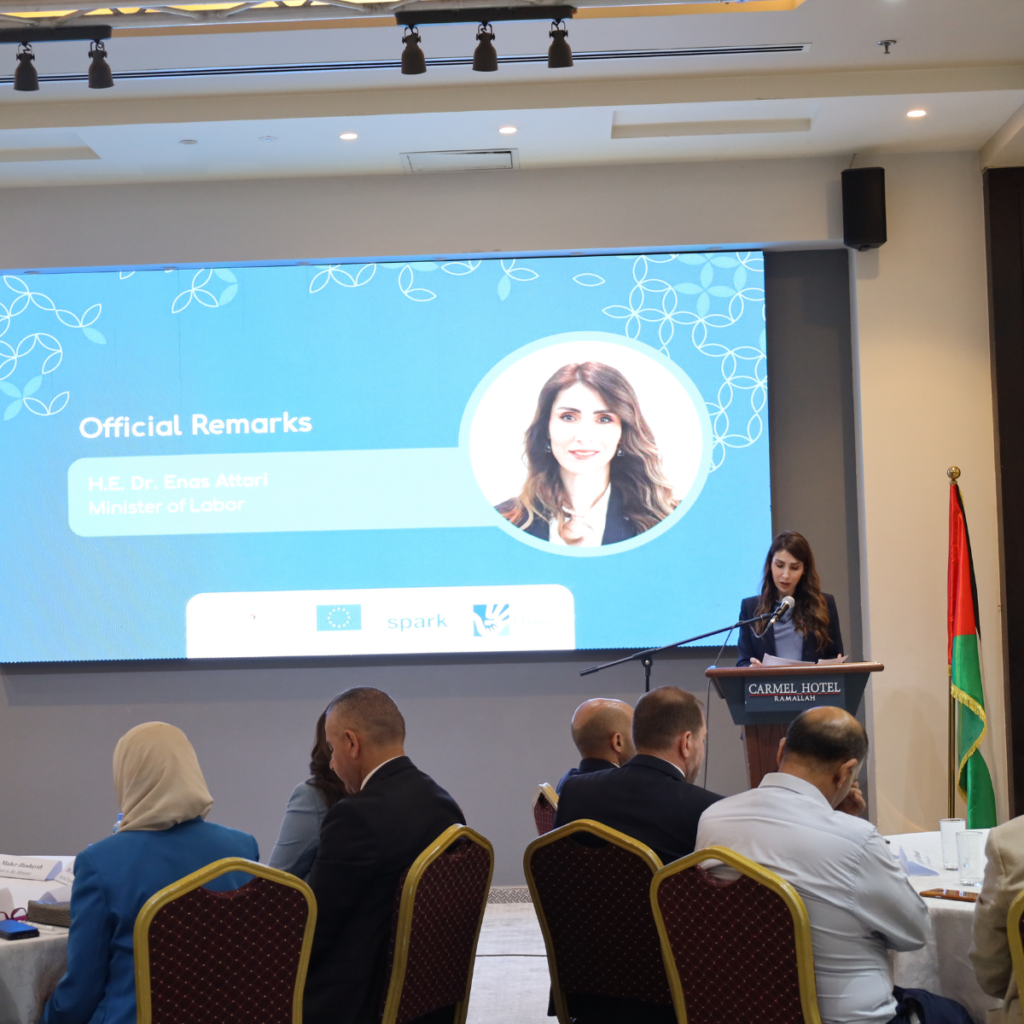
Given the exceptional economic circumstances facing Palestine, H.E. Dr. Enas Attari, Minister of Labor, highlighted the green and circular economy as an important pathway for opening new economic sectors and creating sustainable employment opportunities. She also highlighted the Ministry’s efforts to strengthen the entrepreneurship ecosystem, including the development of the National Entrepreneurship Platform, which aims to connect entrepreneurs with business support organisations, incubators, accelerators, financial institutions, and the private sector.
From recommendations to action
The feedback gathered from participants will now be documented, classified, and linked to the relevant recommendations before the Working Group document is finalised. It will then be formally submitted to the Palestinian Ministry of Labor, which will share it with the relevant authorities and decision-makers through the appropriate institutional channels.
For SPARK, this next stage is as important as the discussions themselves. The goal is to ensure that recommendations are not developed in isolation, but remain connected to the realities of businesses, the capacity of support organisations, available financing, skills development, institutional priorities, and market needs.
Green Forward’s work in Palestine demonstrates the value of bringing these different perspectives together. By strengthening local business support organisations and creating spaces for them to engage directly with policymakers, the programme is helping to build stronger links between the ecosystem and the institutions shaping its future.
In a context where businesses and entrepreneurs are navigating significant economic challenges, the green and circular economy can offer more than an environmental pathway. It can support new business models, green jobs, innovation, competitiveness, and greater economic resilience.
About Green Forward
Green Forward is a Regional European Union-funded initiative implemented by a consortium of partners working across three complementary levels:
- Expertise France (at the macro level): leads the development of enabling green policies, legislation, and standards in close collaboration with national authorities and regional stakeholders.
- SPARK (at the Meso level): focuses on strengthening the capacity of Business Support Organisations (BSOs) to act as effective ecosystem enablers.
- UNIDO (at the micro level): supports small and medium-sized enterprises (SMEs) through targeted technical assistance, promoting the adoption of circular economy practices and improving access to green finance.